When it comes to basketball, the focus is often on the players, their skills, and the strategies they bring to the court. But one crucial factor that significantly impacts both performance and safety often receives far less attention—the floor beneath their feet. Basketball flooring isn’t just about aesthetics or durability; it plays a pivotal role in enhancing playability, preventing injuries, and ultimately elevating the overall athlete experience. For facility managers and athletes alike, understanding the importance of selecting the right basketball floor is essential.
This comprehensive guide explores how basketball flooring affects players and facility operations, breaks down material options, and highlights best practices to ensure you make an informed decision for your court.

The Role of Flooring in Basketball
Enhancing Performance
A high-quality basketball floor provides the perfect balance of traction, shock absorption, and energy return. These qualities allow players to move confidently, make explosive plays, pivot sharply, and transition seamlessly. Flooring that supports consistent ball bounce and steady grip on sneakers is essential to ensuring the game flows as it should.
Preventing Injuries
Performance surfaces directly contribute to player safety. Insufficient shock absorption can lead to strain injuries in the knees, ankles, and hips, while poor traction can increase the risk of slipping. A well-engineered flooring system significantly reduces these risks, creating a safer environment for athletes to perform at their peak.
Fostering a Positive Experience
For both players and spectators, the right floor enhances the overall basketball experience. Players can focus on their game without worrying about surface inconsistencies or discomfort underfoot, while facility managers benefit from fewer liability concerns and increased user satisfaction.
Types of Basketball Flooring
When it comes to basketball flooring, not all surfaces are created equal. Each material comes with unique features and performance characteristics. Below is a breakdown of the main flooring options:
1. Hardwood Flooring
Overview
Hardwood flooring, traditionally made from maple, is the gold standard for basketball courts, especially in professional settings.
Pros
- Exceptional ball bounce and playability
- Attractive, polished appearance
- Long-lasting with proper maintenance
Cons
- Expensive upfront and maintenance costs
- Susceptible to water damage
- Requires consistent maintenance, such as sanding and refinishing
Verdict
Hardwood is ideal for professional and premium settings where performance and aesthetics are critical.
2. Synthetic Flooring
Overview
Synthetic surfaces, such as polyurethane or vinyl, are versatile and often used for multipurpose sports facilities.
Pros
- Affordable and durable
- Low maintenance requirements
- Improves shock absorption
Cons
- May lack the consistent ball bounce of hardwood
- Can wear unevenly over time
Verdict
Synthetic floors are a cost-effective alternative for schools, recreational centers, and multiuse spaces.
3. Modular Flooring
Overview
Modular flooring consists of interlocking tiles made from high-quality polymer materials.
Pros
- Easy installation and portability
- Resistant to water and weather conditions
- Can be customized for outdoor or indoor use
Cons
- May lack the premium feel of hardwood
- Lower shock absorption depending on the material
Verdict
Perfect for facilities that require quick installation or outdoor courts subjected to variable weather.
Key Considerations for Facility Managers
Selecting the right basketball flooring involves balancing factors like cost, maintenance, durability, and safety. Here’s what every facility manager should consider:
1. Maintenance Requirements
- Hardwood: Requires regular sanding, polishing, and cleaning to maintain performance and appearance.
- Synthetic: Periodic cleaning and occasional repairs suffice.
- Modular: Minimal maintenance, typically limited to cleaning.
2. Cost and Durability
- Hardwood comes with the highest upfront cost but can last decades with proper care.
- Synthetic options are budget-friendly and offer decent longevity.
- Modular floors provide a cost-effective solution for temporary or low-traffic setups.
3. Injury Prevention and Athlete Satisfaction
Choosing a surface with proper shock absorption directly reduces the risk of overuse injuries. Meanwhile, ensuring consistent grip and ball bounce is essential to meeting player expectations.
Insights from Athletes and Coaches
“Playing on the right court makes all the difference. Hardwood floors have always been my favorite because of their responsiveness, but I’ve seen more diverse, synthetic surfaces catching up in recent years,” says one college basketball coach.
Another athlete shares, “Having the right traction on the floor can sometimes be the difference between a layup and a fall. I appreciate courts that prioritize not just performance but player safety.”
These first-hand perspectives highlight just how critical flooring is to both mental and physical performance.
Best Practices for Installation and Maintenance
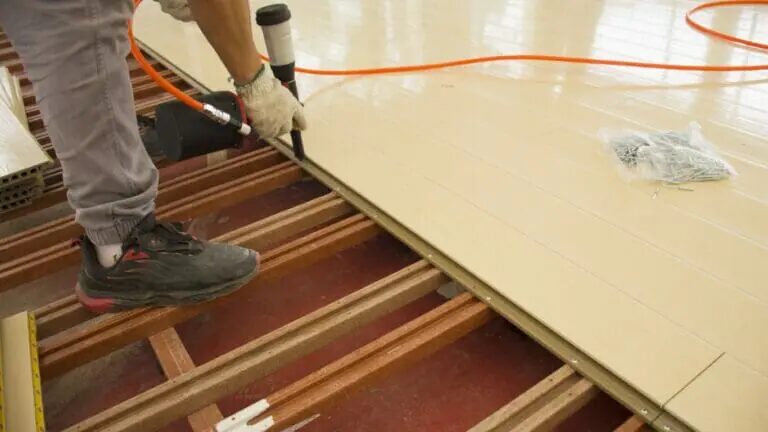
To maximize the performance and longevity of your basketball flooring, follow these essential guidelines:
- Choose the Right Installer: Work with professionals experienced in basketball flooring to ensure proper installation.
- Regular Cleaning: Keep the floor free from dust and debris to prevent surface deterioration and improve its grip.
- Inspect Regularly: Look for signs of wear, such as cracks, moisture damage, or fading, and address issues promptly.
- Resurface When Necessary: Hardwood floors, in particular, benefit from periodic sanding and resealing.
The Future of Basketball Flooring
Technological advancements are continually reshaping basketball flooring. Emerging trends include:
- Smart Floors: AI-powered sensors embedded in flooring to track performance data, such as jumping height or player movements.
- Eco-Friendly Materials: Manufacturers are prioritizing sustainable materials like bamboo to create environmentally responsible courts.
- Enhanced Shock Absorption: Innovations in material science are improving shock absorption for even greater injury prevention.
These trends promise even safer, more dynamic courts in the years to come.
Investing in Performance Surfaces is Investing in the Game
Selecting the right basketball flooring is not just a logistical decision but a commitment to enhancing player safety, performance, and satisfaction. Whether you oversee a professional arena or a community sports facility, the right surface can elevate the game for everyone involved.
Want more guidance?
If you’re in the process of upgrading your court and have questions about what flooring is right for you, contact VMKON today. Our experts are here to help you make a confident, informed decision.


没有评论:
发表评论