显示标签为“Sports Floor”的博文。显示所有博文

2025年2月24日星期一

Everything You Need to Know About Sports Flooring: FAQs

 When designing a professional sports facility, gym, or athletic center, one of the most critical decisions you'll make is choosing the right sports flooring. Sports flooring directly impacts athletes' performance, safety, and the facility's overall functionality. Despite its importance, understanding the technical details about sports flooring can feel overwhelming.

This guide is here to simplify it for you. Whether you're an athletic director, facility manager, gym owner, or sports enthusiast, we aim to answer your questions and offer expertise about sports flooring solutions. From an overview of sports flooring materials to maintenance tips, this comprehensive resource will help you make informed decisions tailored to your needs.

Why Is Sports Flooring Crucial?

Sports flooring is more than just a surface; it's a vital component of any athletic environment. A well-designed sports floor provides benefits such as:

  • Enhanced athletic performance by supporting precision movements and reducing strain.
  • Shock absorption and cushioning, which reduce the risk of injuries.
  • Durability and longevity, ensuring your investment withstands high-impact use.
  • Compliance with safety standards, creating a secure environment for all athletes.
  • Aesthetics and functionality through sleek designs that improve the space's overall atmosphere.

By prioritizing the right sports flooring, you're not just improving performance—you’re safeguarding the health and well-being of the users while ensuring your facility remains functional and visually appealing for years to come.

Types of Sports Flooring Materials

When it comes to selecting sports flooring, understanding the materials is essential. Here’s a breakdown of common sports flooring materials and their pros and cons.

1. Hardwood Flooring

  • Pros:
    • Exceptional performance for basketball and indoor sports.
    • Visually attractive and timeless.
    • Long-lasting with proper maintenance.
  • Cons:
    • Expensive installation and upkeep.
    • Sensitive to moisture damage.

2. Vinyl Flooring

  • Pros:
    • Highly versatile and available in various designs.
    • Excellent shock absorption and slip resistance.
    • Affordable and low maintenance.
  • Cons:
    • Durability may be limited depending on usage.
    • Susceptible to tearing under heavy wear.

3. Rubber Flooring

  • Pros:
    • Durable and suited for multi-purpose areas and weight rooms.
    • Eco-friendly options made from recycled materials.
    • Provides exceptional cushioning and soundproofing.
  • Cons:
    • Limited color options compared to other materials.
    • Can be prone to staining over time.

4. Artificial Turf

  • Pros:
    • Perfect for indoor soccer, football, and agility training.
    • Simulates a natural grass feel without requiring extensive maintenance.
    • Drains water efficiently, ensuring no downtime after spills.
  • Cons:
    • May not offer the same level of shock absorption as other surfaces.
    • Heat retention can make it uncomfortable for prolonged play.

Factors to Consider When Choosing Sports Flooring

Choosing the right sports flooring involves evaluating various factors based on your facility's needs. Here are the key considerations to guide your decision-making process.

  • Intended Use: What sports or activities will take place on the surface? Flooring designed for basketball may differ significantly from surfaces for weightlifting or soccer.
  • Shock Absorption: Look for flooring systems with high impact absorption to protect athletes from injuries.
  • Durability: Consider the durability of materials based on the frequency and intensity of use.
  • Maintenance Requirements: Aim for low-maintenance options to save time and resources in the long term.
  • Compliance with Regulations: Ensure the flooring meets regional safety and performance regulations.
  • Budget: Factor in costs for installation, maintenance, and potential replacement over time.

Common FAQs About Sports Flooring

Q1. How do I know if a sports flooring material is durable enough for my facility?

Durability often depends on the material's resistance to scratches, stains, and impacts. Materials like hardwood and rubber are ideal for high-impact environments, while vinyl works well for multi-use spaces. Always check product specifications and certifications.

Q2. Is sports flooring customizable?

Yes, many providers offer customized flooring designs, including logos, color schemes, and game lines. Vinyl and hardwood flooring are particularly adaptable for personalized aesthetics.

Q3. What certifications should I look for?

Look for certifications that indicate compliance with industry standards, such as ASTM for durability and EN 14904 for indoor multi-sport surfaces. These certifications confirm the flooring meets performance, safety, and environmental standards.

Q4. Can sports flooring be used for non-sports events?

Multi-purpose sports flooring types, such as those made from rubber or vinyl, are excellent for non-sports events like community gatherings, concerts, or banquets.

Q5. How often does sports flooring need to be replaced?

The lifespan of sports flooring varies by material and usage. Hardwood flooring can last decades with proper maintenance, while vinyl or rubber flooring may require replacement after 10-15 years. 


Installation and Maintenance Tips for Sports Flooring

To maximize performance and longevity, proper installation and maintenance are crucial.

Installation Tips

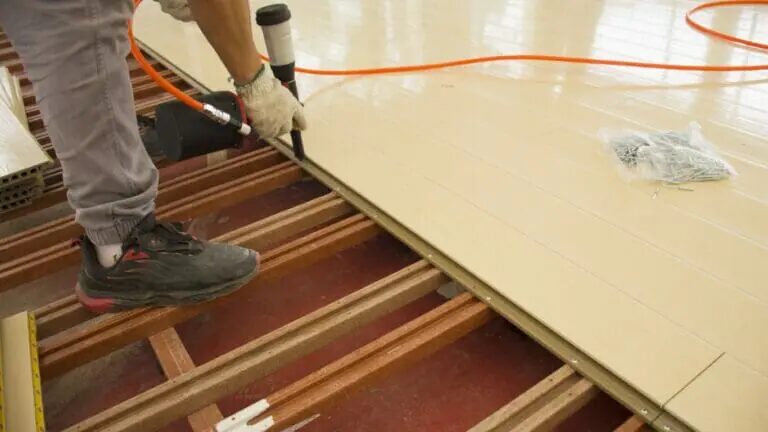
  • Partner with professionals experienced in installing the specific flooring material you've selected.
  • Ensure the subfloor is even, moisture-free, and prepared correctly to avoid installation problems.
  • Install shock pads or underlayment for enhanced shock absorption and cushioning, if applicable.

Maintenance Tips

  • Clean the surface regularly to remove dust and debris, which can deteriorate the material over time.
  • Use manufacturer-recommended cleaning solutions to avoid damaging the surface.
  • Implement preventive measures like "no shoe" or "no equipment dragging" policies to reduce wear and tear.
  • Schedule periodic inspections to address minor issues before they become costly repairs.

Make the Right Choice for Your Facility

Investing in the right sports flooring can elevate your facility, ensuring maximum performance, safety, and functionality for years to come. From choosing the material that best suits your needs to maintaining the surface properly, every step contributes to creating the ultimate athletic environment.

To get started, contact us for a free consultation, and we'll work together to recommend the best solutions for your unique requirements. Subscribe to our newsletter for exclusive updates on sports flooring solutions, and don't forget to share this resource with others looking to make informed decisions about sports flooring.

With professional guidance and top-quality materials, you can create a space where athletes thrive, and every visitor is impressed!

2025年1月12日星期日

Sports Wood Flooring: The Ideal Surface for Professional and Recreational Courts

When it comes to sports, every detail matters, and one often-overlooked element is the playing surface. The quality of the court flooring directly impacts athletes' performance, safety, and overall experience. For both professional and recreational environments, sports wood flooring is the gold standard, combining aesthetic appeal with functionality and durability.

Whether you're managing a basketball court, a dance studio, or a multi-purpose recreational facility, choosing the right flooring is critical. This guide will help you understand the benefits, types, and maintenance of sports wood flooring, ensuring your facility offers the ideal surface for performance and safety. 

The Benefits of Sports Wood Flooring

Enhanced Performance and Safety

Sports wood flooring, particularly maple, oak, or beech, offers excellent resilience and shock absorption. The elasticity of engineered sports wood flooring reduces the impact on players' joints and muscles, helping prevent injuries during fast-paced games or high-intensity training sessions.

Additionally, wood floors provide a smooth but non-slippery surface that enhances traction, allowing athletes to move, pivot, and stop with confidence. The consistent surface also ensures uniform ball bounce, making it a preferred choice for sports like basketball and volleyball.

Superior Durability and Long-term Cost-effectiveness

Quality sports wood flooring is built to withstand wear and tear from repeated use. Certified hardwood floors can endure years of heavy foot traffic, making them an excellent investment for sports facilities.

Though the initial installation may seem expensive, the longevity of high-quality wood flooring offsets the costs over time. Unlike synthetic options, wood can often be refinished rather than replaced, further extending its life and saving significant expenses in the long run.

Aesthetic and Environmental Advantages

Sports wood floors bring a timeless aesthetic to any space. The natural grain and polished finish of wood enhance the visual appeal, making it a staple in professional sports arenas, community gyms, and school courts alike.

Wood floors are also an eco-friendly choice, particularly when sourced from sustainable forests. Many wood flooring options are renewable and biodegradable, aligning with modern environmental standards.

Types of Wood Flooring for Different Sports

Hardwood Flooring for Basketball & Volleyball

Maple Wood Flooring

Known for its dense grain and exceptional durability, maple is the top choice for basketball and volleyball courts. Its high shock resistance and consistent surface make it ideal for fast-paced action.

Oak Wood Flooring

Oak offers an excellent balance between cost-effectiveness and durability. Its dense structure and elegant appearance have made it a popular option for multi-purpose sports facilities.

Beech Wood Flooring

Beech flooring is prized for its elasticity and performance under stress, making it suitable for courts where flexibility is key.

Specialty Flooring for Dance, Aerobics, and Fitness

High-impact activities like dance, aerobics, and fitness training require specialty flooring designed to handle dynamic movements. Engineered wood flooring systems often incorporate foam or rubber underlayers to improve shock absorption and comfort. This reduces stress on joints and knees, enhancing safety for dancers and fitness enthusiasts. 

Installation and Maintenance

Professional Installation is Key

Installing sports wood flooring requires precision to ensure consistent performance. Key factors to consider during installation include moisture levels, subfloor preparation, and proper sealing. Hiring professional installers ensures the flooring is correctly laid out and leveled, preventing long-term performance issues.

For larger facilities, it’s advisable to use manufacturers with certified installation processes. They often include performance tests and warranties, guaranteeing high standards.

Maintenance Best Practices

To maximize the longevity and performance of your wood flooring:

  • Regular Cleaning: Use a soft broom or vacuum to remove dust and prevent grit from scratching the surface. Occasional mopping with a damp microfiber cloth helps keep the surface clean.
  • Humidity Control: Wood is sensitive to moisture. Maintain indoor humidity levels between 35-50% to prevent warping or cracking.
  • Annual Inspections: Inspect floors annually to assess wear and tear. This includes checking for cracks, loose boards, and fading.
  • Refinishing: Sand and refinish the surface every 8–10 years or as needed. A layer of protective sealant can restore the floor’s original shine while maintaining shock absorption properties.

By implementing these maintenance practices, sports wood flooring can deliver years of optimal performance and appearance.

Why Sports Wood Flooring is Worth the Investment

For facility owners, architects, and sports enthusiasts, the choice of flooring goes beyond aesthetics. A high-performance wood floor elevates athletes’ experience, ensures safety, and stands as a durable investment for years to come.

Whether you're building a new sports arena or upgrading an existing recreational court, sports wood flooring provides the perfect combination of functionality and elegance. It adapts to meet the needs of basketball players, dancers, fitness lovers, and every athlete in between.

If you’re considering upgrading your sports facility or want to learn more about advanced sports flooring solutions, our team of experts is here to guide you. Get in touch today for a personalized consultation and see how the right sports flooring can transform your space.

2025年1月1日星期三

Top 5 Basketball Court Tile Options for Durability and Performance

When it comes to basketball, the court itself is as critical as the talent on it. A well-designed basketball court goes beyond aesthetics—it directly impacts player performance, safety, and even game outcomes. From recreational facilities to professional courts, the right basketball court tiles are essential in creating a high-functioning, durable surface that's built to handle high-intensity activities.

Choosing the best basketball court tiles may feel overwhelming, considering the plethora of options available. To simplify that decision, we've reviewed the top basketball court tile options that deliver unmatched durability, optimal performance, and minimal maintenance demands. Additionally, we'll guide you through the key factors to consider and share tips for installation and upkeep to ensure your court remains in peak condition.


Factors to Consider When Choosing Basketball Court Tiles

Before investing in basketball court tiles, it’s important to evaluate specific factors to guarantee high performance, safety, and long-term wear:

1. Durability

Durability is paramount for basketball courts, especially in high-traffic areas like gyms and outdoor courts. The tiles must withstand frequent usage by players, intense ball impact, and harsh weather conditions (for outdoor settings). Look for materials like engineered polymers, which offer resistance to cracking, fading, and wear over time.

2. Performance

Optimal player performance goes hand-in-hand with the quality of the court’s surface. Key performance features to evaluate include:

  • Shock absorption: Reduces the impact on players’ joints.
  • Surface grip: Prevents slips while allowing balanced movements.
  • Ball bounce consistency: Ensures gameplay integrity.

High-performance flooring options are specifically engineered for these qualities, elevating the playing experience even during rigorous games.

3. Maintenance

Maintenance is another critical factor when selecting basketball court tiles. Floors that are easy to clean and resistant to stains can save significant time and costs in the long run. UV-resistant coatings, for outdoor tiles, and quick-dry designs also improve a tile's overall lifespan and practicality.

By prioritizing these factors, you can create a court that not only looks great but consistently performs to the highest standards.


Top 5 Basketball Court Tile Options

Each of the following basketball court tiles has been carefully evaluated to provide a reliable balance of durability, performance, and maintenance ease. Whether you’re designing a court for a professional space, a fitness center, or a home setup, these options excel in functionality and quality.

1. VMKON Biomass Macwood Sport Floor

The standout choice for professional-standard basketball courts is the VMKON Biomass Macwood Sport Floor. Its innovative design combines the elegance of hardwood with high-performance engineering.

Key Features:

  • Synthetic wood made from renewable biomass materials, offering a sustainable alternative to traditional options.
  • Superior shock absorption and ball speed control.
  • Resistant to scratches and moisture, making it suitable for indoor or outdoor courts.

Why Choose It?

VMKON excels when it comes to eco-friendliness, resilience, and premium performance. This floor is particularly well-suited for multi-sport arenas or professional basketball facilities seeking long-lasting solutions.


2. SnapSports Outdoor Revolution Tile

For outdoor courts, SnapSports is the gold standard in high-performance tiling.

Key Features:

  • Patented surface technology for enhanced grip and all-weather durability.
  • Built-in drainage system to prevent waterlogging and slips.
  • UV-resistant coatings to protect the color and surfaces from sun exposure.

Why Choose It?

SnapSports tiles are ideal for outdoor courts exposed to weather changes. Their quick-dry surface ensures safety and functionality even after rainfall.

3. Sport Court PowerGame+ Sports Flooring

Known for its game-specific engineering, Sport Court’s PowerGame+ tiles are a popular choice for gym facilities and recreation centers.

Key Features:

  • Advanced shock-absorbing technology to reduce joint strain.
  • Texturized surfaces for enhanced grip and speed.
  • Modular design for easy installation.

Why Choose It?

PowerGame+ tiles are perfect for multi-purpose gyms looking for a versatile and safe flooring solution. Its modular system allows for easy upgrades or maintenance.

4. VersaCourt Game Outdoor Tiles

VersaCourt’s Game Outdoor Tiles are a premium-grade solution for residential and commercial outdoor courts.

Key Features:

  • Highly durable polypropylene construction to withstand extreme weather.
  • Customizable tile patterns for personalized court aesthetics.
  • Low-maintenance design with minimal cleaning requirements.

Why Choose It?

VersaCourt offers a balance of style, performance, and affordability while ensuring a long-lasting surface suitable for DIY home-court builders.


5. ProGym Plank Modular Sports Flooring

Bringing the visual appeal of wood planks into high-performance flooring, ProGym Plank is a versatile tile option.

Key Features:

  • Engineered vinyl material mimicking hardwood aesthetics.
  • Compatible with both indoor and outdoor installations.
  • Enhanced resilience to scratches, wear, and impacts.

Why Choose It?

ProGym Plank blends aesthetics with practicality, making it an excellent option for gyms and fitness centers that prioritize design without sacrificing durability.

Here’s a quick comparison of the options for added clarity:

Brand & Model

Best For

Key Material

Installation

Durability

Price Range

VMKON Biomass Macwood Floor

Multi-sport areas

Synthetic Wood

Easy, modular

High

$$$$$

SnapSports Outdoor Revolution

Outdoor sports courts

Engineered Polymer

Quick & simple

High

$$$$

Sport Court PowerGame+

Gyms & sports centers

Texturized Polymer

Modular system

High

$$$$$

VersaCourt Outdoor Tiles

Home/DIY, outdoor

Polypropylene

DIY-friendly

Medium-High

$$$

ProGym Plank Flooring

Indoor gyms

Engineered Vinyl

Easy interlocking

High

$$$$


Installation and Maintenance Tips

For enhancing your court’s longevity and efficacy, proper installation and care are vital. Here are some key tips:

Installation Best Practices

  1. Prepare the Base: Ensure a leveled, debris-free base. Concrete or asphalt works well for outdoor courts.
  2. Follow Manufacturer Guidelines: Stick to specific tile installation instructions, such as snap-interlocking systems or adhesive installations.
  3. Hire Professionals for Large Projects: Large or professional installations benefit from the precision of contractors.

Maintenance Recommendations

  • Clean Regularly: Sweep the tiles to remove dirt and prevent buildup.
  • Address Spills Promptly: Use mild soap and water for indoor spills and a hose for outdoor messes.
  • Inspect Annually: Check for cracks, loose tiles, or discoloration.
  • Apply Protective Coatings: For outdoor tiles, ensure they’re UV-coated to prevent fading and warping.

With these proactive steps, your basketball court will maintain both its performance and aesthetic appeal for years to come.


Choose the Right Basketball Court Tile Today

When it comes to basketball court flooring, the right tiles can dramatically improve gameplay, ensure player safety, and reduce long-term costs. Whether you opt for VMKON Biomass Macwood Sport Floors for professional settings or VersaCourt tiles for a home project, these top options cater to every need and budget.

Are you ready to elevate your court’s performance and appeal? Contact professionals or explore high-quality suppliers to find the best fit for your specific setup. Don’t forget to check out our related posts on sports flooring options to discover even more solutions for your athletic facilities.

2024年12月11日星期三

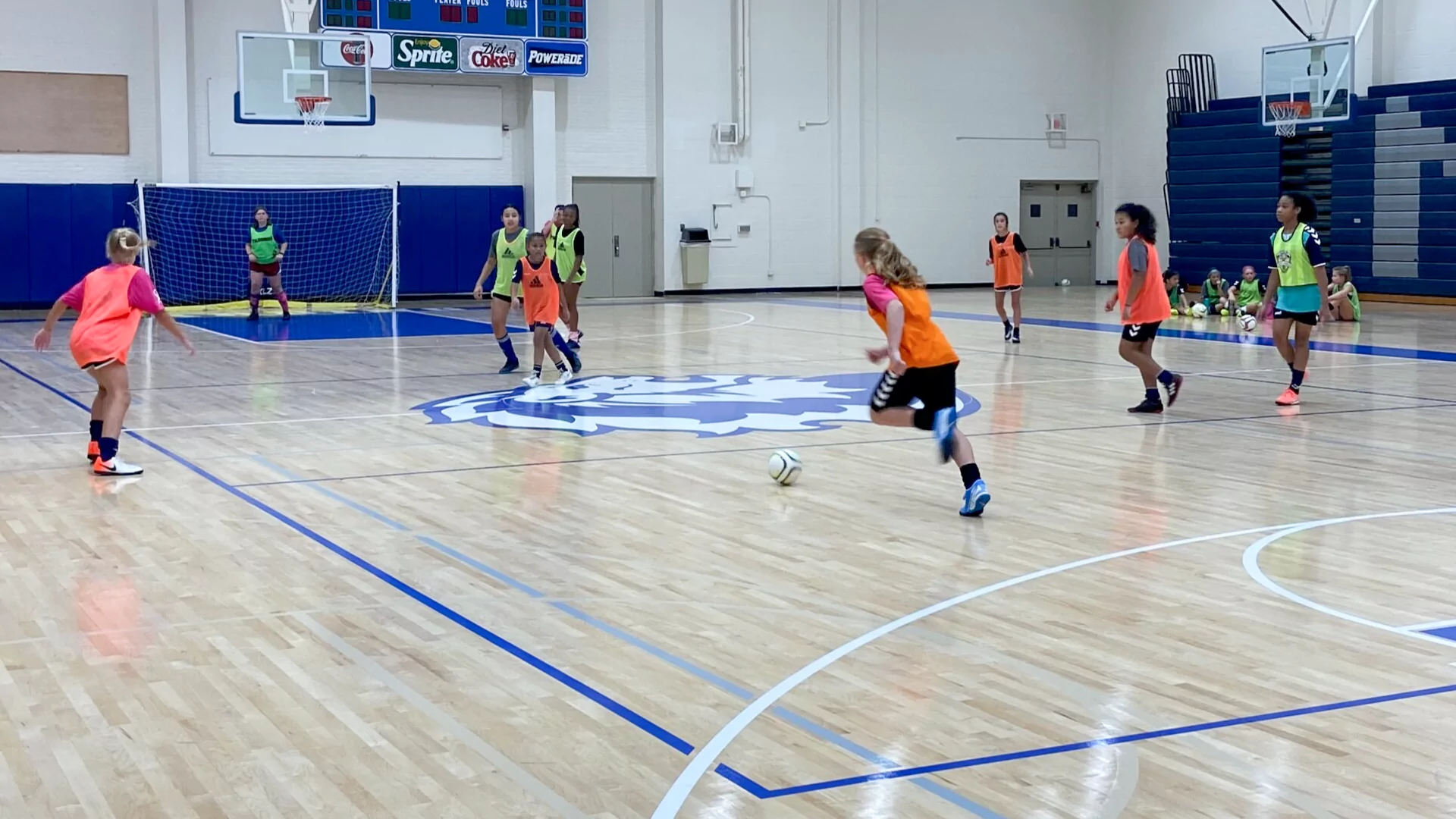
How the Right Basketball Flooring Can Enhance Player Performance and Safety

When it comes to basketball, the focus is often on the players, their skills, and the strategies they bring to the court. But one crucial factor that significantly impacts both performance and safety often receives far less attention—the floor beneath their feet. Basketball flooring isn’t just about aesthetics or durability; it plays a pivotal role in enhancing playability, preventing injuries, and ultimately elevating the overall athlete experience. For facility managers and athletes alike, understanding the importance of selecting the right basketball floor is essential.

This comprehensive guide explores how basketball flooring affects players and facility operations, breaks down material options, and highlights best practices to ensure you make an informed decision for your court.


The Role of Flooring in Basketball

Enhancing Performance

A high-quality basketball floor provides the perfect balance of traction, shock absorption, and energy return. These qualities allow players to move confidently, make explosive plays, pivot sharply, and transition seamlessly. Flooring that supports consistent ball bounce and steady grip on sneakers is essential to ensuring the game flows as it should.

Preventing Injuries

Performance surfaces directly contribute to player safety. Insufficient shock absorption can lead to strain injuries in the knees, ankles, and hips, while poor traction can increase the risk of slipping. A well-engineered flooring system significantly reduces these risks, creating a safer environment for athletes to perform at their peak.

Fostering a Positive Experience

For both players and spectators, the right floor enhances the overall basketball experience. Players can focus on their game without worrying about surface inconsistencies or discomfort underfoot, while facility managers benefit from fewer liability concerns and increased user satisfaction.

Types of Basketball Flooring

When it comes to basketball flooring, not all surfaces are created equal. Each material comes with unique features and performance characteristics. Below is a breakdown of the main flooring options:

1. Hardwood Flooring

Overview

Hardwood flooring, traditionally made from maple, is the gold standard for basketball courts, especially in professional settings.

Pros

  • Exceptional ball bounce and playability
  • Attractive, polished appearance
  • Long-lasting with proper maintenance

Cons

  • Expensive upfront and maintenance costs
  • Susceptible to water damage
  • Requires consistent maintenance, such as sanding and refinishing

Verdict

Hardwood is ideal for professional and premium settings where performance and aesthetics are critical.

2. Synthetic Flooring

Overview

Synthetic surfaces, such as polyurethane or vinyl, are versatile and often used for multipurpose sports facilities.

Pros

  • Affordable and durable
  • Low maintenance requirements
  • Improves shock absorption

Cons

  • May lack the consistent ball bounce of hardwood
  • Can wear unevenly over time

Verdict

Synthetic floors are a cost-effective alternative for schools, recreational centers, and multiuse spaces.

3. Modular Flooring

Overview

Modular flooring consists of interlocking tiles made from high-quality polymer materials.

Pros

  • Easy installation and portability
  • Resistant to water and weather conditions
  • Can be customized for outdoor or indoor use

Cons

  • May lack the premium feel of hardwood
  • Lower shock absorption depending on the material

Verdict

Perfect for facilities that require quick installation or outdoor courts subjected to variable weather. 

Key Considerations for Facility Managers

Selecting the right basketball flooring involves balancing factors like cost, maintenance, durability, and safety. Here’s what every facility manager should consider:

1. Maintenance Requirements

  • Hardwood: Requires regular sanding, polishing, and cleaning to maintain performance and appearance.
  • Synthetic: Periodic cleaning and occasional repairs suffice.
  • Modular: Minimal maintenance, typically limited to cleaning.

2. Cost and Durability

  • Hardwood comes with the highest upfront cost but can last decades with proper care.
  • Synthetic options are budget-friendly and offer decent longevity.
  • Modular floors provide a cost-effective solution for temporary or low-traffic setups.

3. Injury Prevention and Athlete Satisfaction

Choosing a surface with proper shock absorption directly reduces the risk of overuse injuries. Meanwhile, ensuring consistent grip and ball bounce is essential to meeting player expectations.

Insights from Athletes and Coaches

“Playing on the right court makes all the difference. Hardwood floors have always been my favorite because of their responsiveness, but I’ve seen more diverse, synthetic surfaces catching up in recent years,” says one college basketball coach.

Another athlete shares, “Having the right traction on the floor can sometimes be the difference between a layup and a fall. I appreciate courts that prioritize not just performance but player safety.”

These first-hand perspectives highlight just how critical flooring is to both mental and physical performance.

Best Practices for Installation and Maintenance

To maximize the performance and longevity of your basketball flooring, follow these essential guidelines:

  1. Choose the Right Installer: Work with professionals experienced in basketball flooring to ensure proper installation.
  2. Regular Cleaning: Keep the floor free from dust and debris to prevent surface deterioration and improve its grip.
  3. Inspect Regularly: Look for signs of wear, such as cracks, moisture damage, or fading, and address issues promptly.
  4. Resurface When Necessary: Hardwood floors, in particular, benefit from periodic sanding and resealing.

The Future of Basketball Flooring

Technological advancements are continually reshaping basketball flooring. Emerging trends include:

  • Smart Floors: AI-powered sensors embedded in flooring to track performance data, such as jumping height or player movements.
  • Eco-Friendly Materials: Manufacturers are prioritizing sustainable materials like bamboo to create environmentally responsible courts.
  • Enhanced Shock Absorption: Innovations in material science are improving shock absorption for even greater injury prevention.

These trends promise even safer, more dynamic courts in the years to come.

Investing in Performance Surfaces is Investing in the Game

Selecting the right basketball flooring is not just a logistical decision but a commitment to enhancing player safety, performance, and satisfaction. Whether you oversee a professional arena or a community sports facility, the right surface can elevate the game for everyone involved.

Want more guidance?

If you’re in the process of upgrading your court and have questions about what flooring is right for you, contact VMKON today. Our experts are here to help you make a confident, informed decision.

How to Prevent Scratches on Basketball Court Hardwood

Basketball courts represent significant investments for recreational facilities, with premium hardwood surfaces costing tens of thousands of...